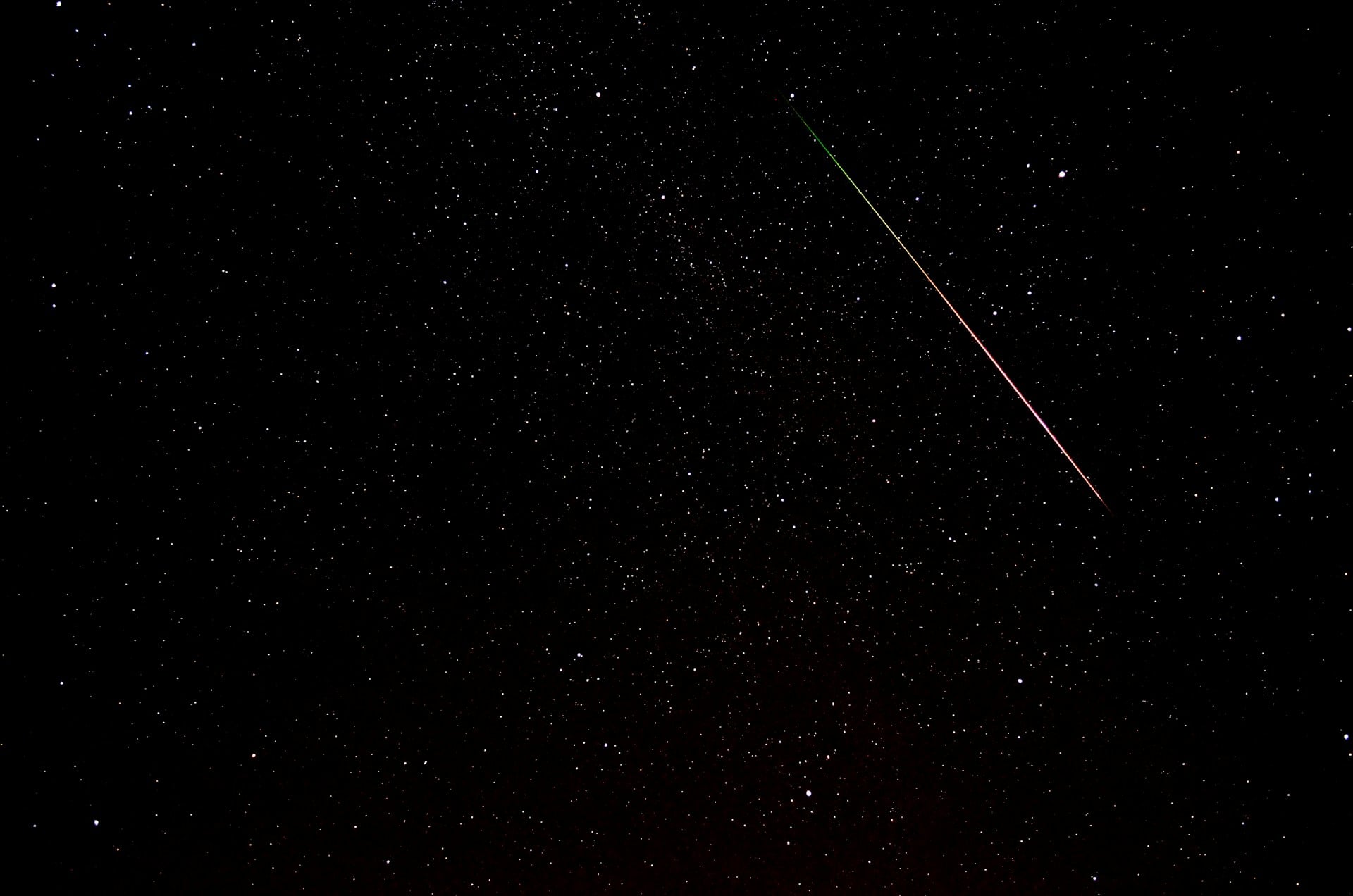
Trade Neon for Night Skies: Vegas Summer Stargazing
Staying near the Strip and thinking about a meteor shower in Las Vegas might feel strange at first. The casinos glow all night, the billboards flash, and the sky can look more glittery than starry. But just outside the city, the desert opens up with wide, dark skies that are perfect for watching shooting stars in summer.
Warm nights, dry air, and long, clear views make the desert around Las Vegas a fun place for stargazing. You do not have to be an astronomy pro. You just need a little planning, a short drive away from the neon, and a bit of patience. The payoff can be huge: quiet, peaceful moments under the sky that balance out the noise and energy of the Strip.
You do not need to drive all night either. Many good viewing spots are within about an hour to an hour and a half of major resorts. Expect to be out late, often past midnight, with your best views in the darkest hours of the night. Whether you want a romantic date, a family memory, or a solo reset between pool days and shows, desert stargazing can fit right into your Vegas trip.
Best Summer Meteor Showers Visible From Las Vegas
Summer is prime time for a meteor shower in Las Vegas skies. A few regular showers return each year, so travelers can plan trips around them.
The two main events many visitors time trips around are:
- Perseids, usually active from mid-July through late August, with a strong peak over a few nights
- Delta Aquariids, often most active in late July
There are also smaller showers and random shooting stars throughout June, July, and August. Even on a “quiet” night, the dark desert can surprise you with a few bright streaks.
What can you expect to see?
- On peak Perseid nights, patient viewers may catch frequent meteors over the course of an hour
- Delta Aquariids are usually softer and fainter but can still put on a relaxing show
- You do not need a telescope; in fact, your eyes are better for wide sky watching
For timing, the darkest hours after midnight are often best, especially in the few hours before dawn. If you want to keep it more reasonable, you can still catch some activity from late evening into the early morning. Most meteor showers spread across the whole sky, but you can:
- Face generally away from the glow of the Strip
- Lean back so you see as much of the sky as possible
- Give your eyes at least 20 to 30 minutes to adjust to the dark
To plan well, it helps to:
- Check the moon phase; a bright, full moon will wash out many faint meteors
- Keep an eye on local forecasts, late summer can bring cloudy monsoon nights
- Look up a current meteor shower calendar and match it to your travel dates
Dark-Sky Escapes Within 90 Minutes of the Strip
You do not have to spend your whole night in the car to get away from the lights. Within about 90 minutes of most Strip hotels, you can reach desert spots that feel a world away.
Red Rock Canyon:
This area west of town is known for its red cliffs and desert views. While some sections have set hours and day-use rules, there are pullouts and legal parking areas outside the main scenic loop where the sky opens up. It is close to the city but still darker than the Strip, with a nice mix of rocky silhouettes and stars.
Lake Mead National Recreation Area:
Head toward the lake and you find wide shorelines, big horizons, and fewer hotel lights. Legal pullouts and viewpoints give you space to set up a couple of chairs and look up. Restrooms and basic services are available in certain areas, though not everywhere, so it helps to plan your stop in advance.
Mojave Desert and Desert Backroads:
North and south of Las Vegas, simple desert highways lead to very dark skies. If you go this route, stick to safe, legal pullouts only, not private roads or soft sand. These areas often have some of the darkest skies within a quick drive, but they usually have fewer services, no restrooms, and no lighting at all.
For all of these spots, keep a few tips in mind:
- Drive times from central Strip hotels usually range from 30 to 90 minutes
- Summer heat can be intense earlier in the evening, so keep plenty of water in the car
- Always check any park alerts, road closures, and fire restrictions before you go
Strip to Stars Game Plan for Vegas Visitors
A simple meteor-watching night can fit neatly into a normal Vegas day. Think of it like a late-night field trip after you enjoy the city.
A sample evening plan might look like this:
- Late afternoon: relax at the pool or visit a museum
- Early evening: enjoy an early dinner on the Strip
- After dinner: grab water, snacks, and any last gear from your hotel room
- Drive out: aim to reach your chosen spot 30 to 45 minutes before your target viewing time
- Stargazing window: settle in, let your eyes adjust, and watch the show
- Return: head back to the Strip before dawn and sleep in the next morning
Even though Las Vegas stays warm, desert nights can still feel cooler than the daytime heat, especially with a breeze. Bring an extra layer so you are not distracted from the sky by goosebumps. Sitting still makes you feel the temperature more than walking the Strip does.
You can also blend meteor watching with other parts of your trip. Many visitors:
- Catch a big show or concert the night before their sky outing
- Book daytime tours or pool cabanas earlier in the trip, then choose one “off-Strip” night for stargazing
- Use the meteor night as a quiet reset between late club nights
What to Bring and How to Stay Safe in the Desert Night
You do not need fancy gear, but a few smart items make your meteor shower in Las Vegas much more fun.
Pack things like:
- Camp chairs or a blanket to lie back on
- A flashlight with a red-light setting or a simple red filter to protect night vision
- Extra phone battery and offline maps saved ahead of time
- Plenty of water and some easy snacks
- Bug spray if you will be near the lake or plants
Desert safety matters, even when you are close to a major city:
- Stay on marked roads and legal parking areas
- Watch for wildlife on dark highways
- Obey all park rules and posted signs
- Tell someone where you are going and when you expect to return
- Make sure your fuel tank is not low before leaving the city
For comfort and good manners:
- Keep voices low so others can enjoy the quiet
- Use red light and avoid shining bright white lights into the sky or at other people
- Pack out all trash, including snack wrappers and bottles
- Give other groups a bit of space in large parking areas
Tours, Local Tips, and Light-Friendly Alternatives
Not everyone wants to drive on dark roads at night. If that is you, guided options that include desert stargazing or nighttime sightseeing can be a good fit. Many tours leave from hotel pickup areas and take care of driving, basic gear, and timing for you.
Local-style planning tips help a lot:
- Check real-time weather and cloud cover on local forecast apps the afternoon of your outing
- Remember that late summer can bring monsoon storms and sudden clouds, even if the day was clear
- Have a backup date or a backup activity, such as a night show or indoor attraction, in case the sky closes up
If you cannot leave the city at all, you can still get a taste of the sky. Some ideas:
- Choose a rooftop bar or lounge with a good view away from the brightest signs
- Use higher parking structures just off the Strip and look toward the darker edges of the valley
- Pair a short late-night drive to the edge of town with a stargazing app so you can learn about constellations while watching for any stray meteors
Even if the city lights wash out many faint streaks, catching just one bright meteor over the neon skyline can still feel special.
Turn Your Vegas Trip Into a Desert Sky Memory
One night of stargazing can change the feel of a whole Vegas getaway. The same desert that surrounds the casinos also gives you huge night skies, quiet views, and the chance to watch a meteor shower in Las Vegas without going on a huge camping trip.
Checking your travel dates against summer meteor shower calendars only takes a minute, and it can help you pick the best night for your off-Strip adventure. At Things to Do in Las Vegas, we focus on helping visitors balance big shows, nightlife, and classic attractions with simple moments that feel “only here,” like watching shooting stars over desert mountains just beyond the glow of the Strip.
Experience the Best Night Skies Las Vegas Has to Offer
If you are ready to witness a spectacular meteor shower in Las Vegas, we can help you plan the perfect star-filled outing. At Things To Do In Las Vegas, we share the best viewing spots, ideal times, and local tips so you can make the most of every shooting star. Reach out through our contact us page with your questions or to get personalized recommendations. Let us guide you to an unforgettable night under the desert sky.