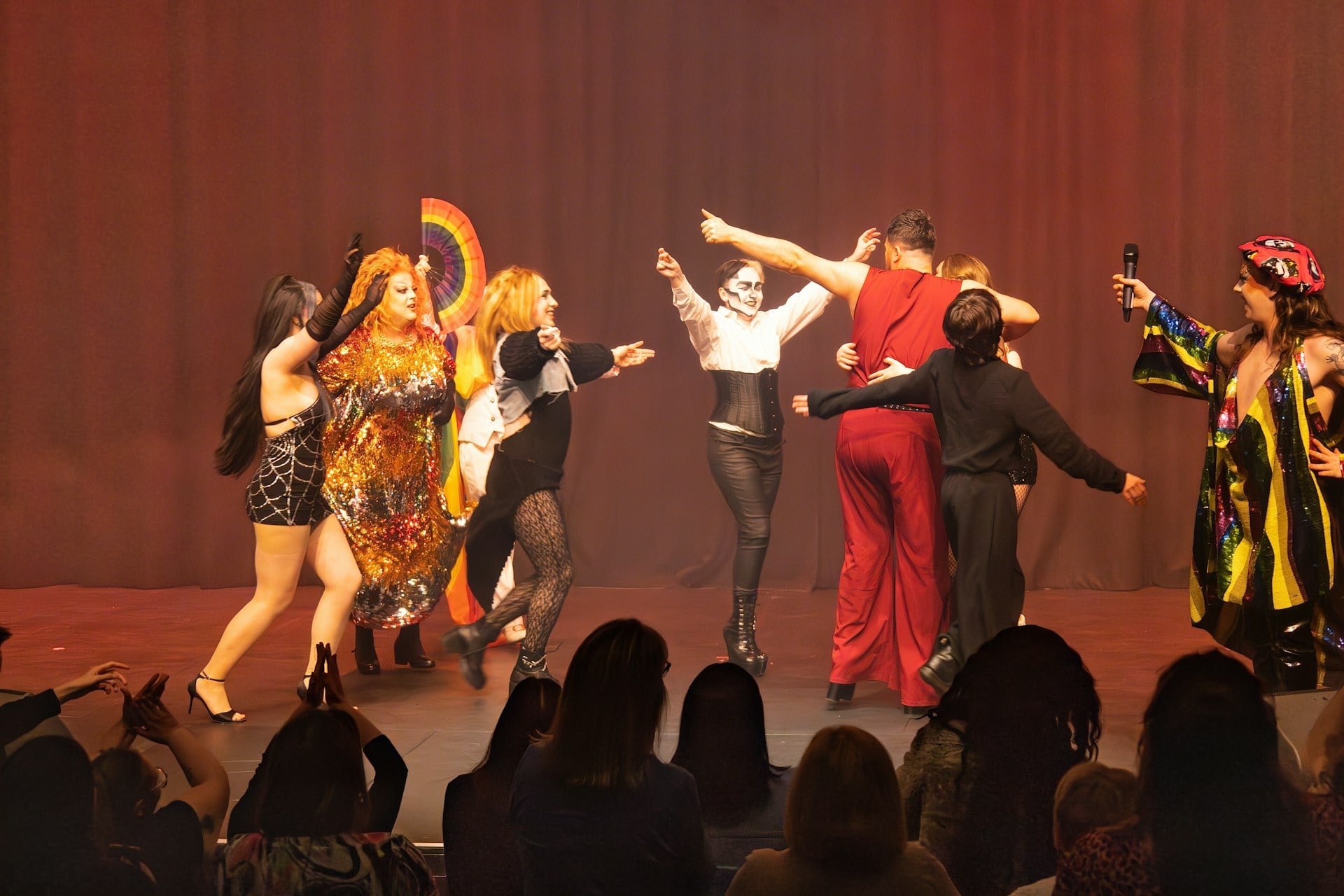
Family dinner shows in Las Vegas offer a welcome pause from fast schedules and on-the-go meals. It’s a chance to sit together, eat something good, and watch a show without needing to plan much else for the evening. That simplicity is one of the reasons people look for them when traveling with kids, grandparents, or mixed-age groups. But one part that can make or break the experience? Where you sit.
The theater setup might seem like a small detail at first, but the wrong seating can lead to a distracted toddler, blocked views, or family members spread out in odd spots. And by early spring, with mild Las Vegas weather drawing in visitors, families start looking for indoor options that keep everyone happy. That’s when knowing how to pick your seats at family dinner shows in Las Vegas can make the whole evening feel more relaxed.
Choosing the Right Venue for Your Group
Not every dinner show has the same kind of layout. Some feel like a theater, with rows of seats facing the front. Others mix food service with performance, meaning tables face different ways or the action moves from place to place. Before you book tickets, it helps to look at the floor plan or check how the room is arranged.
- Theater-style shows often have tiered seating or set aisles. These can work well for older kids who like a clear view of the stage.
- Table service setups might feel more open, but side angles can make it hard for short kids to see what’s happening.
- Arena-style or circular stages place the performance in the center. This can be fun for teens or older kids, but younger children might get overwhelmed by moving lights or performers passing close by.
Parents with strollers or diaper bags may want to sit near an exit. It’s not about wanting to leave early. It’s just nice to have easy access for bathroom breaks or an impromptu walk in the hallway. Visibility matters, too. A high-backed chair or large person in front can mean a five-year-old sees little more than the backs of heads. When choosing, it’s worth asking if there are unobstructed rows or if booster seating is available.
Seating Tips for Different Age Groups
What works for one family may not work for another. And what worked on the last trip might not work now that your youngest doesn’t nap at dinner anymore. Age makes a difference.
- For toddlers, end seats on the aisle are best. They make it easy to move around without squeezing past lots of people. They’re usually a bit more spaced out, too.
- For school-age kids and tweens, seating within the front half of the room helps them stay engaged. They can see more clearly and are less likely to get distracted.
- Teenagers often appreciate being close to the stage action, especially if the performer makes eye contact or involves the crowd. Being in sight of something exciting helps hold their interest.
- Older adults might prefer central seating that doesn’t require climbing stairs or twisting chairs around. Being able to hear and see what’s happening without straining makes a big difference.
Matching rows and table sizes to your group can keep things running smoother once the show starts. Some venues offer set spots, but others use general admission sections. Knowing that upfront can help avoid confusion or long walking after a tired day out.
What to Look For in the Layout
The way a room is built has a lot to do with comfort. Staggered seating, the kind where each row is offset from the one ahead, can fix a lot of problems with sight lines. Kids can see through gaps between heads, rather than peeking awkwardly to one side. Tiered spaces, where each row is a little higher than the last, achieve the same goal.
Here are a few other things we pay attention to:
- Side sections often offer more legroom and can be less crowded than dead center rows.
- Front-and-center seats give a straight view, but they might feel too close for younger kids or people sensitive to loud sound.
- Shows that let you choose your seats or arrive early usually give families a better shot at sticking together.
Timing matters, too. A show that starts before sunset might affect how clearly you can see parts of the room. In March, daylight stretches longer. If the venue has windows, early seating might feel brighter or cause glare. Indoor spots with controlled lighting give a more even show experience.
Comfort Features That Make a Difference
Even with the right view, a seat that feels awkward or cramped can change the mood. Certain features help keep families settled and enjoying the evening instead of shifting around or needing breaks.
- Some places offer booster seats or cushions so younger kids don’t miss the action.
- High chairs may be available for toddlers eating with the family. With fixed seating, calling ahead helps.
- Open space near some rows leaves room to pull in a stroller if needed.
Noise sensitivity is another piece to think about. If your child doesn’t like surprises, sitting near speakers could be too much. If someone in your group struggles with lower lighting or bright flashes, ask about those in advance. Spring weather means lots of walking during the day, so having air conditioning that isn’t too strong can really affect how comfortable you stay inside. Families sometimes forget how tired people can feel after a day exploring outdoors.
What Families Say About Their Favorite Spots
We’ve heard that many families tend to return to the same dinner shows when they visit in early spring. There’s something about knowing where you’ll sit and what to expect that makes an evening feel more relaxed. It helps kids settle in faster and gives adults a break from surprises they don’t need.
Families often say their favorite spots are:
- Near the front, but not directly under bright lights
- Close to performer entrances, where kids might get waved at or included in the action
- Just far enough from the speakers to hear clearly without being startled
Some parents plan their whole show night around the seats they remember liking. They know where the best restroom access was, which row gave the clearest view, and even where they got the best photos the first time. By March, those warm memories can feel like part of a spring tradition.
Making the Most of Your Show Night
A family dinner show doesn’t need to be complicated. Picking the right seats is one of the easiest ways to take some pressure off. When everybody can see, reach their food, and relax a little, the night just flows better.
We’ve found that seating choices help create a shared memory. When you’re sitting together in the right spot, there’s less fuss, fewer distractions, and more chances to laugh at the same moment. And during a trip full of long lines, crowded sidewalks, or loud attractions, that kind of quiet togetherness can stand out most.
Planning a night out with a show the whole family can enjoy is easier than ever. Seating is important, but the right energy and a performance that keeps everyone engaged make all the difference. That’s why we’ve gathered information on some of the best family dinner shows in Las Vegas to help you spend less time searching and more time making memories. At Things To Do In Las Vegas, we love helping you create evenings filled with great food, laughter, and unforgettable moments. Reach out to us anytime so we can help you find just the right spot for your group.